Buy schlau.eu ?
We are moving the project
schlau.eu .
Are you interested in purchasing the domain
schlau.eu ?
domain@kv-gmbh.de · 0541-91531010
Buy schlau.eu ?
What is the difference between intelligent, clever, and smart?
Intelligent typically refers to someone who has a high level of cognitive ability and can grasp complex concepts easily. Clever usually refers to someone who is quick-witted, inventive, or resourceful in solving problems or coming up with creative solutions. Smart is a more general term that can encompass both intelligence and cleverness, but it often implies practical knowledge, good judgment, and the ability to apply information effectively in various situations. **
What is the difference between clever, smart, and intelligent?
Clever typically refers to quick thinking and problem-solving ability, often in a creative or original way. Smart generally refers to having a good understanding of a wide range of topics and being able to apply knowledge effectively. Intelligent usually refers to having a high level of cognitive ability, including the capacity for abstract thinking and reasoning. While all three terms relate to mental acuity, they emphasize different aspects of intellectual capability. **


Similar search terms for Allen-and-Unwin-The
Top-Angebote
Products related to Allen-and-Unwin-The:
-
Allen and Unwin The Impossible Climb: Alex Honnold, El Capitan and the Climbing LifeOn June 3rd 2017, professional climber Mark Synnott was in Yosemite to witness something that only a handful of people knew was about to occur: his friend, Alex Honnold, was going to attempt to summit one of the world's most challenging ascents, a route called Freerider on the notorious rock formation El Capitan. It is an extraordinarily dangerous and difficult climb, and yet Alex was going to do it 'free solo'. Meaning no help. No partner. No equipment. No rope. Where a single small mistake would mean certain death. Indeed, to summit El Cap free solo was a feat likened to Neil Armstrong first walking on the moon. As Alex plots, rehearses and ultimately attempts his heart-stopping ascent, Mark also shares his own personal history of climbing, filled with triumphs, defeats and dilemmas, in this deeply reported, inspiring exhortation to live life to the fullest.9,99 £*Shipping: 2,99 £Secure redirect to the provider
-
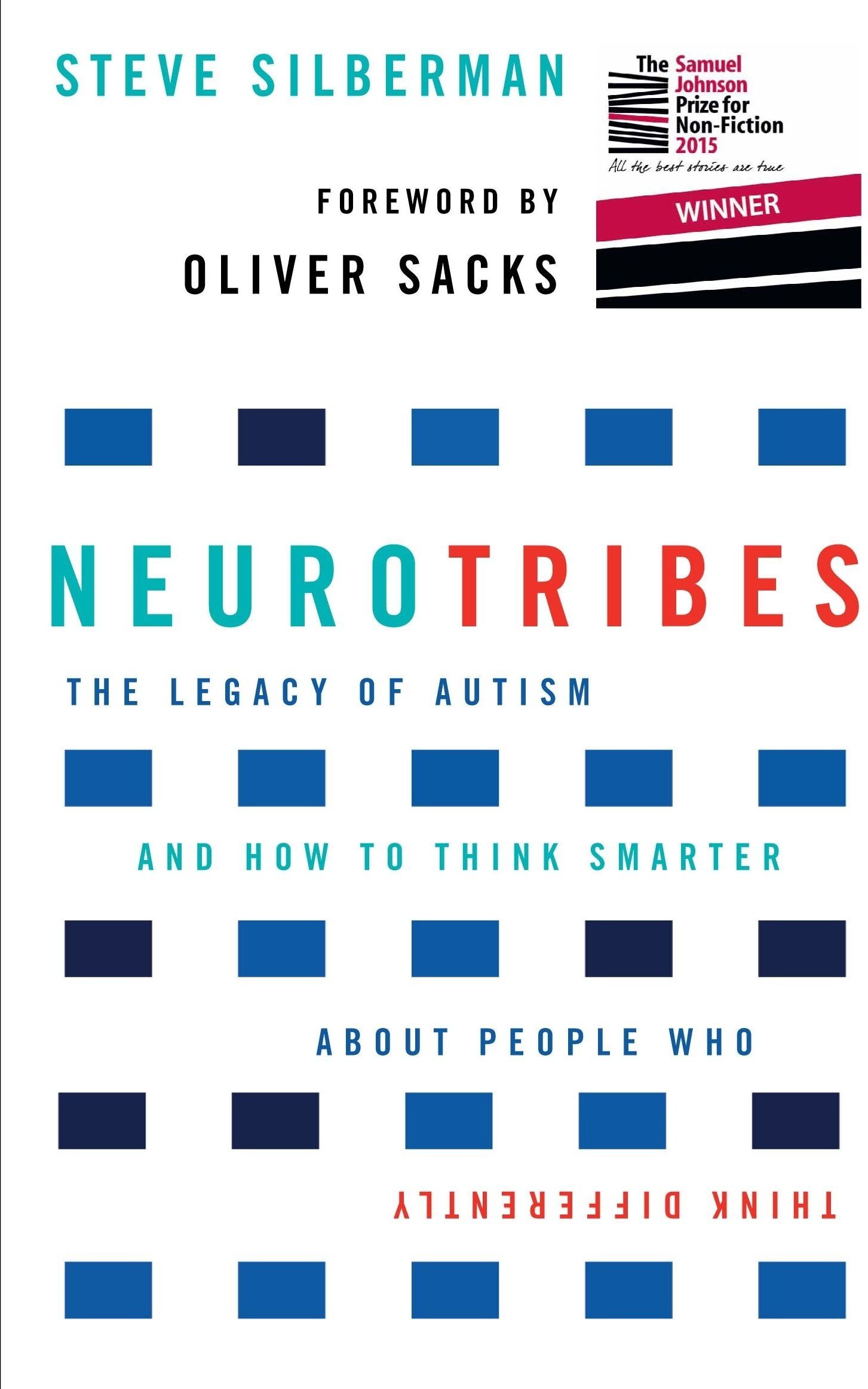
Allen and Unwin NeuroTribes: Winner of the Samuel Johnson Prize for NonfictionWhat is autism: a devastating developmental condition, a lifelong disability, or a naturally occurring form of cognitive difference akin to certain forms of genius? In truth, it is all of these things and more - and the future of our society depends on our understanding it. Following on from his groundbreaking article 'The Geek Syndrome', Wired reporter Steve Silberman unearths the secret history of autism, long suppressed by the same clinicians who became famous for discovering it, and finds surprising answers to the crucial question of why the number of diagnoses has soared in recent years. Going back to the earliest autism research and chronicling the brave and lonely journey of autistic people and their families through the decades, Silberman provides long-sought solutions to the autism puzzle while casting light on the growing movement of 'neurodiversity' and mapping out a path towards a more humane world for people with learning differences.7,95 £*Shipping: 2,99 £Secure redirect to the provider
-
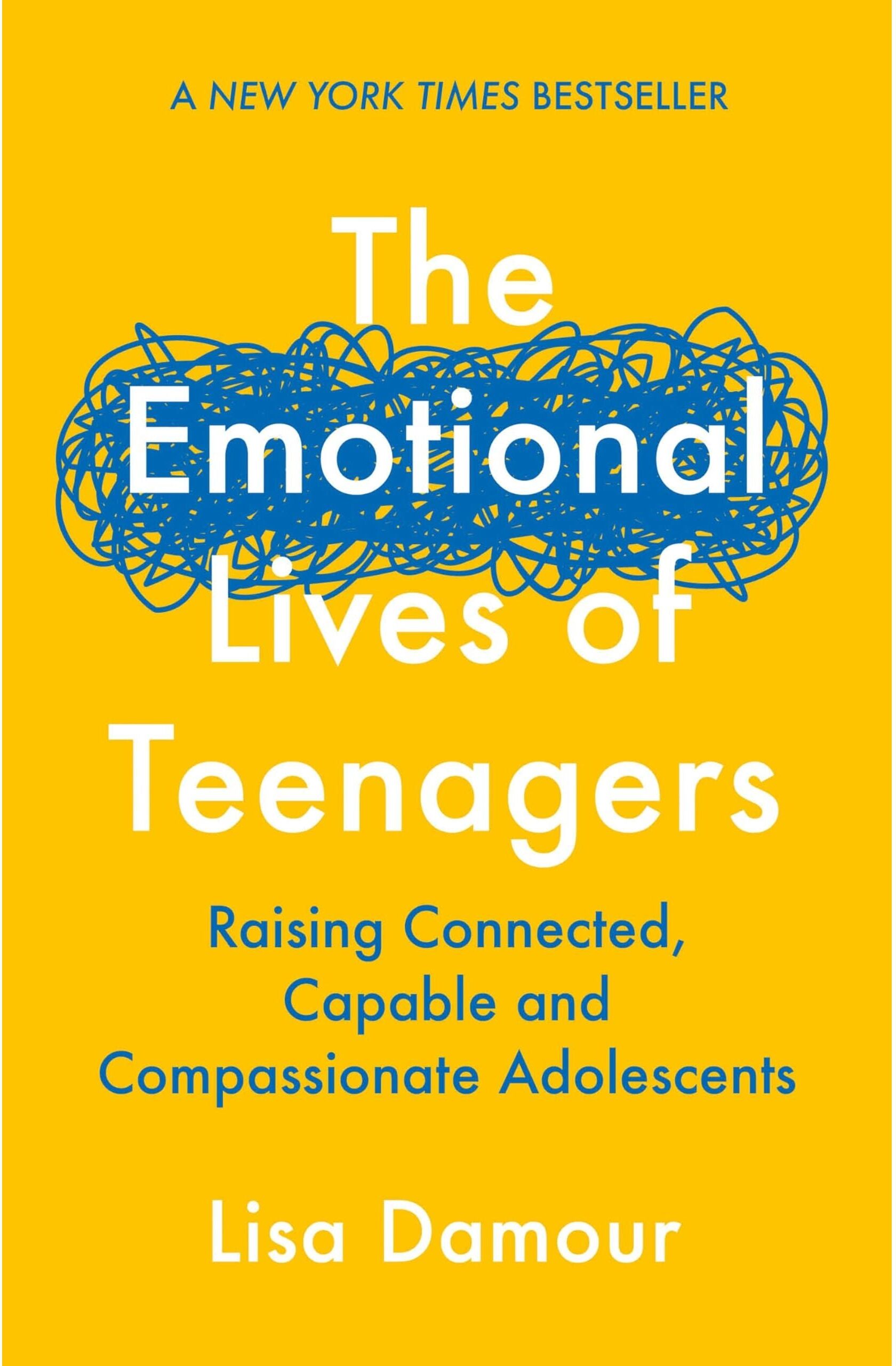
Allen and Unwin The Emotional Lives of Teenagers: Raising Connected, Capable and Compassionate AdolescentsThe Emotional Lives of Teenagers: Raising Connected, Capable and Compassionate Adolescents A New York Times bestseller!*An urgently needed guide to help parents understand their teenagers' intense and often fraught emotional lives - and how to support them through this critical developmental stage - from the New York Times bestselling author of Untangled and Under PressureIn teenagers, powerful emotions come with the territory. And with so many of today's teens contending with academic pressure, social media stress, worries about the future, and concerns about their own mental health, it's easy for them - and their parents - to feel anxious and overwhelmed. But it doesn't have to be that way. With clear, research-informed explanations alongside illuminating, real-life examples, The Emotional Lives of Teenagers gives parents the concrete, practical information they need to steady their teens through the bumpy yet transformational journey into adulthood.8,49 £*Shipping: 2,99 £Secure redirect to the provider


-
What is the difference between smart, clever, and intelligent?
The difference between smart, clever, and intelligent lies in their nuances. "Smart" generally refers to someone who is quick-witted and has good judgment. "Clever" typically describes someone who is skilled at solving problems in a creative or inventive way. "Intelligent" usually refers to someone who has a high level of cognitive ability and is able to understand complex concepts. While these words are often used interchangeably, they each carry their own subtle distinctions in meaning. **
-
What is the difference between smart, intelligent, clever, and wise?
"Smart" typically refers to someone who is quick-witted or has a good memory, while "intelligent" refers to someone who can think critically, solve problems, and learn quickly. "Clever" usually implies being resourceful or having a knack for finding creative solutions to problems. "Wise" goes beyond intelligence and cleverness, encompassing a deep understanding of life and the ability to make sound judgments based on experience and knowledge. **
-
Don't the Jergmann and Allen rules contradict each other?
The Jergmann and Allen rules are both guidelines for determining the appropriate use of capitalization in titles. While they may appear to contradict each other at first glance, they actually address different types of titles. The Jergmann rule applies to formal titles, such as those of books, articles, and essays, while the Allen rule applies to informal titles, such as those of blog posts, social media posts, and email subject lines. By understanding the context and purpose of each rule, writers can apply them appropriately to ensure consistent and accurate capitalization in their writing. **
-
How can you remove an Allen screw without an Allen wrench?
One way to remove an Allen screw without an Allen wrench is to use a small flathead screwdriver that fits snugly into the screw head. You can also try using a small pair of needle-nose pliers to grip the edges of the screw and turn it. Another option is to use a rotary tool with a cutting wheel to carefully cut a slot into the screw head, allowing you to use a flathead screwdriver to remove it. If all else fails, you can try using a small drill bit to carefully drill out the center of the screw, making it easier to remove. **
What are the differences between clever, smart, cunning, sly, intelligent, and ingenious?
Clever and smart both refer to having quick intelligence and the ability to think on one's feet, but clever often implies a more creative or inventive approach. Cunning and sly both suggest a devious or deceitful nature, with cunning emphasizing a shrewdness in achieving one's goals and sly suggesting a secretive or sneaky quality. Intelligent generally refers to having a high level of mental capacity and the ability to understand complex concepts, while ingenious implies a remarkable creativity and originality in problem-solving or inventing new things. **
"Is the Allen screw too tight?"
If the Allen screw is too tight, it may be difficult to loosen or remove. This can lead to potential damage to the screw or the surrounding material. It's important to ensure that the Allen screw is tightened to the appropriate torque specifications to prevent over-tightening. Using a torque wrench or following the manufacturer's recommendations can help prevent the Allen screw from being too tight. **
Top-Angebote
Products related to Allen-and-Unwin-The:
-
Allen and Unwin The Impossible Climb: Alex Honnold, El Capitan and the Climbing LifeOn June 3rd 2017, professional climber Mark Synnott was in Yosemite to witness something that only a handful of people knew was about to occur: his friend, Alex Honnold, was going to attempt to summit one of the world's most challenging ascents, a route called Freerider on the notorious rock formation El Capitan. It is an extraordinarily dangerous and difficult climb, and yet Alex was going to do it 'free solo'. Meaning no help. No partner. No equipment. No rope. Where a single small mistake would mean certain death. Indeed, to summit El Cap free solo was a feat likened to Neil Armstrong first walking on the moon. As Alex plots, rehearses and ultimately attempts his heart-stopping ascent, Mark also shares his own personal history of climbing, filled with triumphs, defeats and dilemmas, in this deeply reported, inspiring exhortation to live life to the fullest.9,99 £*Shipping: 2,99 £Secure redirect to the provider
-
What is the difference between intelligent, clever, and smart?
Intelligent typically refers to someone who has a high level of cognitive ability and can grasp complex concepts easily. Clever usually refers to someone who is quick-witted, inventive, or resourceful in solving problems or coming up with creative solutions. Smart is a more general term that can encompass both intelligence and cleverness, but it often implies practical knowledge, good judgment, and the ability to apply information effectively in various situations. **
-
What is the difference between clever, smart, and intelligent?
Clever typically refers to quick thinking and problem-solving ability, often in a creative or original way. Smart generally refers to having a good understanding of a wide range of topics and being able to apply knowledge effectively. Intelligent usually refers to having a high level of cognitive ability, including the capacity for abstract thinking and reasoning. While all three terms relate to mental acuity, they emphasize different aspects of intellectual capability. **
-
What is the difference between smart, clever, and intelligent?
The difference between smart, clever, and intelligent lies in their nuances. "Smart" generally refers to someone who is quick-witted and has good judgment. "Clever" typically describes someone who is skilled at solving problems in a creative or inventive way. "Intelligent" usually refers to someone who has a high level of cognitive ability and is able to understand complex concepts. While these words are often used interchangeably, they each carry their own subtle distinctions in meaning. **
-
What is the difference between smart, intelligent, clever, and wise?
"Smart" typically refers to someone who is quick-witted or has a good memory, while "intelligent" refers to someone who can think critically, solve problems, and learn quickly. "Clever" usually implies being resourceful or having a knack for finding creative solutions to problems. "Wise" goes beyond intelligence and cleverness, encompassing a deep understanding of life and the ability to make sound judgments based on experience and knowledge. **
Similar search terms for Allen-and-Unwin-The
-
Allen and Unwin NeuroTribes: Winner of the Samuel Johnson Prize for NonfictionWhat is autism: a devastating developmental condition, a lifelong disability, or a naturally occurring form of cognitive difference akin to certain forms of genius? In truth, it is all of these things and more - and the future of our society depends on our understanding it. Following on from his groundbreaking article 'The Geek Syndrome', Wired reporter Steve Silberman unearths the secret history of autism, long suppressed by the same clinicians who became famous for discovering it, and finds surprising answers to the crucial question of why the number of diagnoses has soared in recent years. Going back to the earliest autism research and chronicling the brave and lonely journey of autistic people and their families through the decades, Silberman provides long-sought solutions to the autism puzzle while casting light on the growing movement of 'neurodiversity' and mapping out a path towards a more humane world for people with learning differences.7,95 £*Shipping: 2,99 £Secure redirect to the provider
-
Allen and Unwin The Emotional Lives of Teenagers: Raising Connected, Capable and Compassionate AdolescentsThe Emotional Lives of Teenagers: Raising Connected, Capable and Compassionate Adolescents A New York Times bestseller!*An urgently needed guide to help parents understand their teenagers' intense and often fraught emotional lives - and how to support them through this critical developmental stage - from the New York Times bestselling author of Untangled and Under PressureIn teenagers, powerful emotions come with the territory. And with so many of today's teens contending with academic pressure, social media stress, worries about the future, and concerns about their own mental health, it's easy for them - and their parents - to feel anxious and overwhelmed. But it doesn't have to be that way. With clear, research-informed explanations alongside illuminating, real-life examples, The Emotional Lives of Teenagers gives parents the concrete, practical information they need to steady their teens through the bumpy yet transformational journey into adulthood.8,49 £*Shipping: 2,99 £Secure redirect to the provider
-
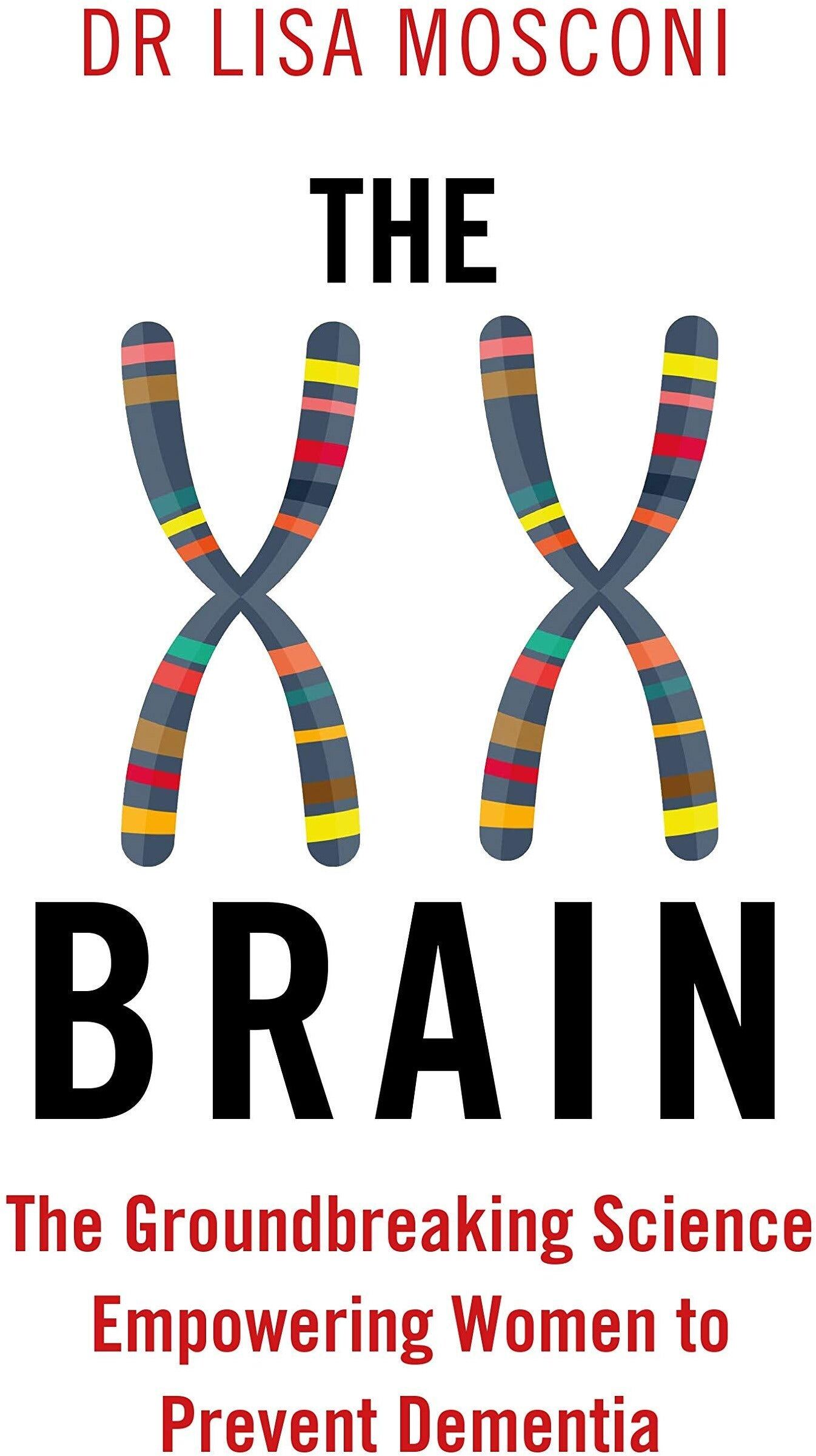
Allen & Unwin The XX Brain, Lisa Mosconi, Nervous System, Brain ScienceThe XX Brain, Lisa Mosconi, Nervous System, Brain Science Women are far more likely than men to suffer from anxiety, depression, migraines, brain injuries, strokes and Alzheimer's disease. But, until recently, scientific research has focused on 'bikini medicine,' assuming that women are essentially men with different reproductive organs. The XX Brain presents groundbreaking research showing that women's brains age distinctly from men's, due mostly to the decline of a key brain-protective hormone: estrogen. Taking on all aspects of women's health, including brain fog, memory lapses, depression, stress, insomnia, hormonal imbalances and the increased risk of dementia, Dr. Mosconi introduces cutting-edge, evidence-based methods for protecting the female brain, encompassing diet, stress reduction and sleep. She also examines the effectiveness of hormonal replacement therapy, addresses the perils of environmental toxins and explores the role of our microbiome. Luckily, it is never too late to take care of yourself2,59 £*Shipping: 1,99 £Secure redirect to the provider
-
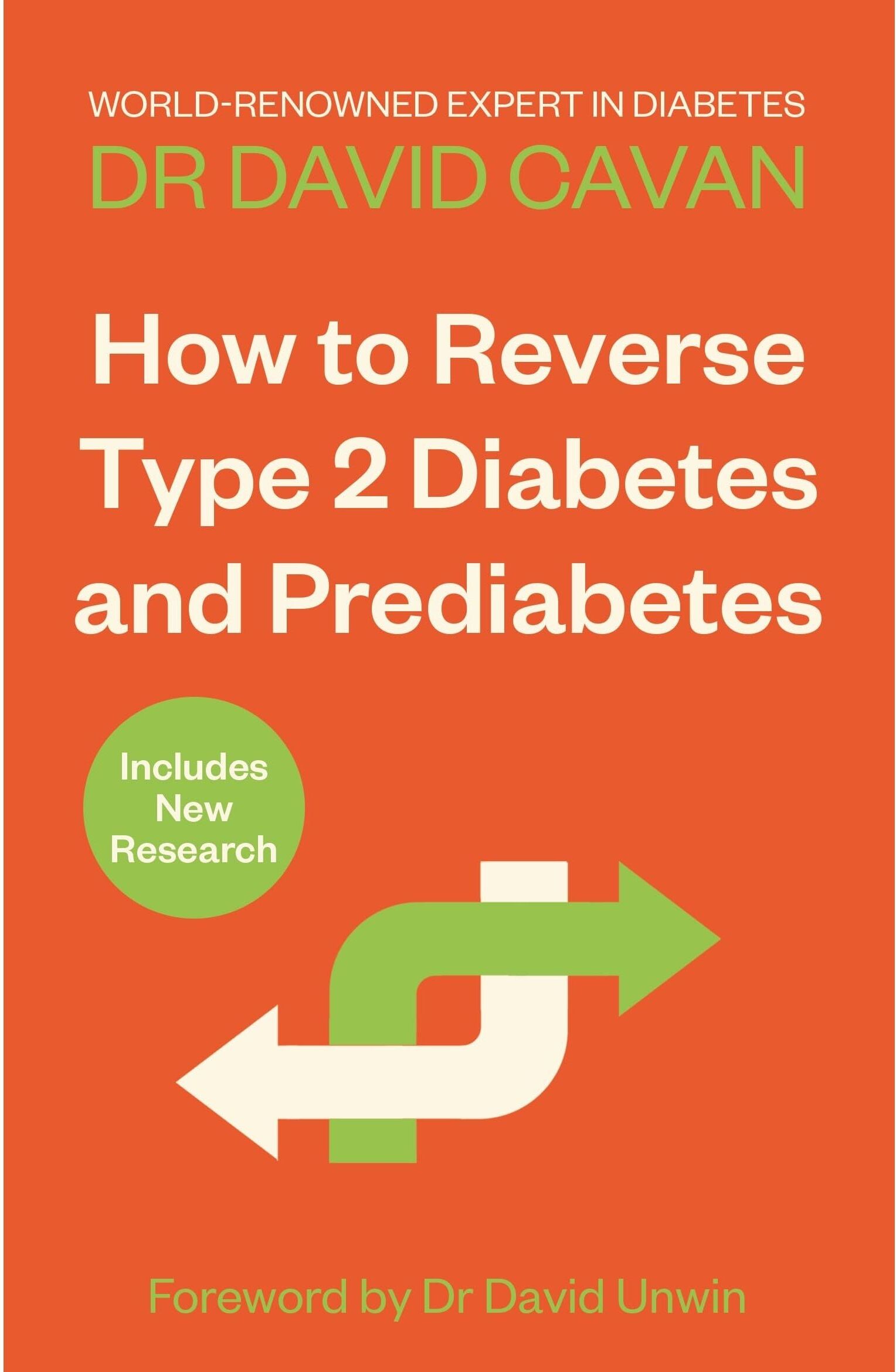
Allen and Unwin How To Reverse Type 2 Diabetes and Prediabetes: The Definitive Guide from the World-renowned Diabetes ExpertHow to Reverse Type 2 Diabetes and Prediabetes provides an effective and evidence-based approach to guide people with type 2 diabetes and prediabetes towards a healthier future. Focusing on the lifestyle changes that help reverse the diabetes disease process, the book will be an invaluable source of hope and inspiration for the millions of people with type 2 diabetes and prediabetes around the world. Drawing upon Dr Cavan's extensive research into diabetes management and his professional experience, How to Reverse Type 2 Diabetes and Prediabetes reveals the latest scientific evidence behind his innovative approach in helping people reverse their diabetes, providing specific advice for people with prediabetes as well as those with type 2 diabetes. Explaining in easy-to-understand terms how today's lifestyles are driving millions of people into prediabetes and then on to developing type 2 diabetes, the author then describes the changes we can make to halt the process in its tracks, and help people turn around their health to look forward to a future free from diabetes. Advocating a diet based on healthy fresh foods that avoids sugars, refined carbohydrates and other highly processed foods, and with simple suggestions for how to incorporate physical activity into the daily routine, this accessible guide shows us sustainable and achievable ways of adjusting our lifestyles to reverse prediabetes and type 2 diabetes, authenticated with first-hand testimonies from people who in following Dr Cavan's evidence-based approach have already done just that.4,99 £*Shipping: 1,99 £Secure redirect to the provider
-
Don't the Jergmann and Allen rules contradict each other?
The Jergmann and Allen rules are both guidelines for determining the appropriate use of capitalization in titles. While they may appear to contradict each other at first glance, they actually address different types of titles. The Jergmann rule applies to formal titles, such as those of books, articles, and essays, while the Allen rule applies to informal titles, such as those of blog posts, social media posts, and email subject lines. By understanding the context and purpose of each rule, writers can apply them appropriately to ensure consistent and accurate capitalization in their writing. **
-
How can you remove an Allen screw without an Allen wrench?
One way to remove an Allen screw without an Allen wrench is to use a small flathead screwdriver that fits snugly into the screw head. You can also try using a small pair of needle-nose pliers to grip the edges of the screw and turn it. Another option is to use a rotary tool with a cutting wheel to carefully cut a slot into the screw head, allowing you to use a flathead screwdriver to remove it. If all else fails, you can try using a small drill bit to carefully drill out the center of the screw, making it easier to remove. **
-
What are the differences between clever, smart, cunning, sly, intelligent, and ingenious?
Clever and smart both refer to having quick intelligence and the ability to think on one's feet, but clever often implies a more creative or inventive approach. Cunning and sly both suggest a devious or deceitful nature, with cunning emphasizing a shrewdness in achieving one's goals and sly suggesting a secretive or sneaky quality. Intelligent generally refers to having a high level of mental capacity and the ability to understand complex concepts, while ingenious implies a remarkable creativity and originality in problem-solving or inventing new things. **
-
"Is the Allen screw too tight?"
If the Allen screw is too tight, it may be difficult to loosen or remove. This can lead to potential damage to the screw or the surrounding material. It's important to ensure that the Allen screw is tightened to the appropriate torque specifications to prevent over-tightening. Using a torque wrench or following the manufacturer's recommendations can help prevent the Allen screw from being too tight. **
* All prices are inclusive of VAT and, if applicable, plus shipping costs. The offer information is based on the details provided by the respective shop and is updated through automated processes. Real-time updates do not occur, so deviations can occur in individual cases. ** Note: Parts of this content were created by AI.