Buy schlau.eu ?
We are moving the project
schlau.eu .
Are you interested in purchasing the domain
schlau.eu ?
domain@kv-gmbh.de · 0541-91531010
Buy schlau.eu ?
How can growth be stimulated?
Growth can be stimulated through various strategies such as increasing investment in infrastructure, promoting innovation and technology adoption, improving access to education and healthcare, and implementing supportive policies for businesses. Encouraging entrepreneurship and creating a conducive business environment can also help stimulate growth by attracting investments and creating job opportunities. Additionally, fostering international trade and collaboration can open up new markets and drive economic growth. **
Can the voice change be stimulated or influenced?
Yes, the voice change can be stimulated or influenced through various means. For example, vocal exercises and training can help to strengthen and develop the muscles involved in producing sound, leading to a change in the quality and tone of the voice. Additionally, hormonal changes during puberty can also naturally influence the voice change, leading to a deeper and more mature sound in males. Furthermore, certain vocal techniques and styles of singing or speaking can also influence the way the voice sounds. Overall, the voice change can be influenced and shaped through a combination of physiological, environmental, and behavioral factors. **

Similar search terms for Vermilion-The-Stimulated-Mind
Top-Angebote
Products related to Vermilion-The-Stimulated-Mind:
-
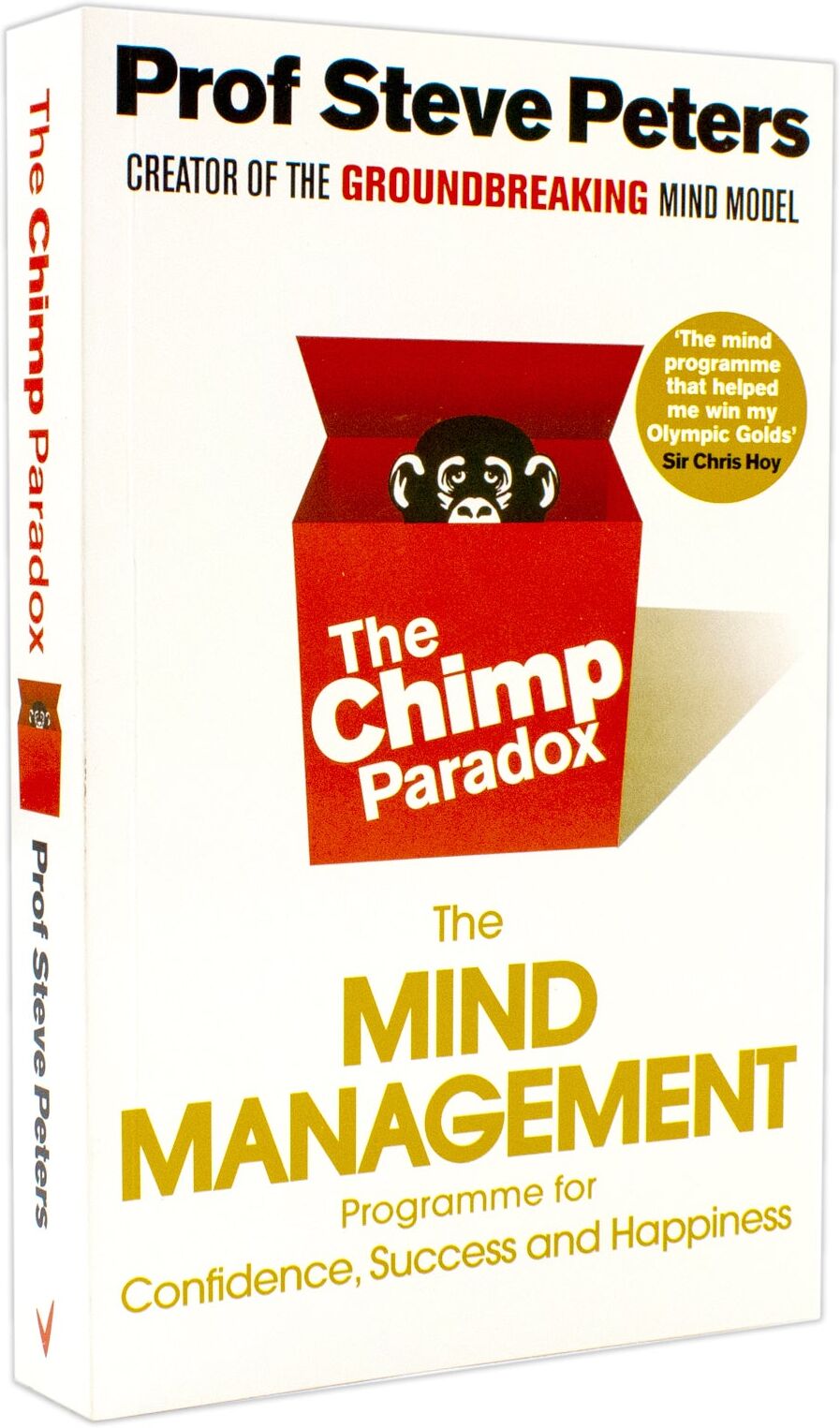
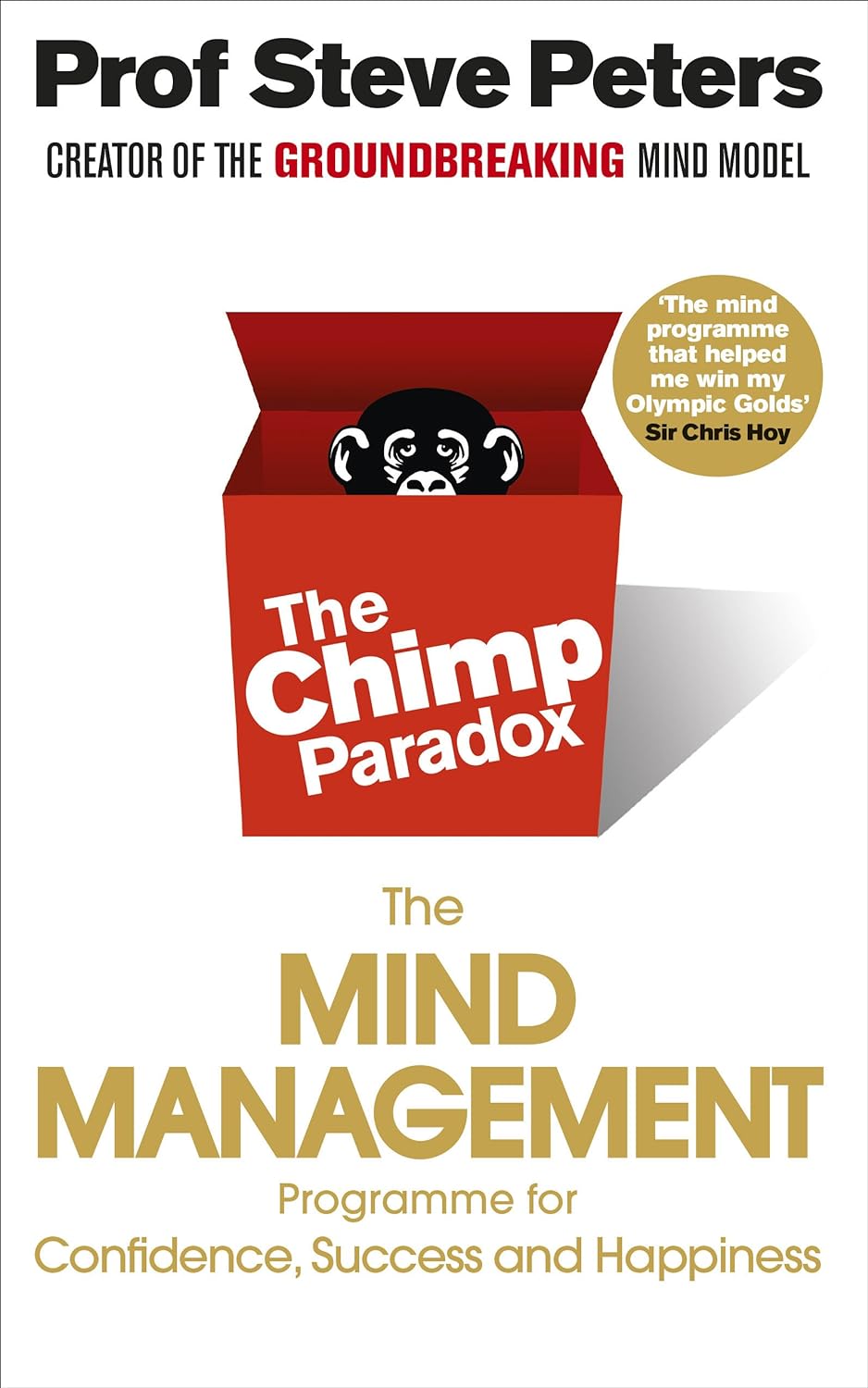
The Chimp Paradox by Professor Steve Peters - Paperback - Vermilion - Million-Copy Bestselling Mind Management Guide for Confidence & SuccessThe Chimp Paradox by Professor Steve Peters is a practical guide to mind management. This book, published by Vermilion, offers a science-backed model to help readers understand and control their emotions. It's a trusted resource for those looking to improve their confidence, resilience, and decision-making skills. The author, a psychiatrist with experience working with athletes and everyday people, explains that inside every human mind lives an emotional 'chimp' - an impulsive, instinct-driven part of the brain that often hijacks rational thought. This book provides a clear path to greater self-awareness and better emotional regulation, helping readers to overcome anxiety, self-doubt, and other challenges in their personal and professional lives.4,99 £*Shipping: 2,99 £Secure redirect to the provider
-
Vermilion The Chimp Paradox, Mind Body Miracle & The Psychology of Money Mindset 3 Books Collection Set - Paperback Self-Help Bundle for Mindset, WellbeingThis three-book paperback collection brings together three personal development themes: emotional self-management, physical and mental wellbeing, and a healthier relationship with money. Written by Prof Steve Peters alongside Sanchit Khullar and Rob Moore, the set is ideal for readers who want practical, actionable guidance. The books include The Chimp Paradox, Mind Body Miracle, and The Psychology of Money Mindset. The Chimp Paradox is Prof Steve Peters' mind-management model, explaining the paradox between our emotional brain and our rational human mind. The set is suitable for adults and is a great resource for anyone starting or continuing a personal growth journey.14,99 £*Shipping: 2,99 £Secure redirect to the provider
-
Vermilion Mind Your Body: A Revolutionary Programme to Release Chronic Pain and Anxiety - Non Fiction - PaperbackTitle:. Mind Your Body: A Revolutionary Programme to Release Chronic Pain and Anxiety Format: Paperback Overview:. Mind Your Body offers a compassionate, evidence-informed pathway for readers living with chronic pain or persistent anxiety. Nicole J. Sachs, LCSW, anchors the guidance in mind-body medicine, explaining how stress, pain signals, and emotions interact within the nervous system. The book translates neuroscience into accessible, practical strategies you can use daily—gentle, low-impact movements; simple breathing routines; and journaling practices designed to calm the body's alarm responses and restore balance. At the heart of the programme is JournalSpeak, a journaling method that helps you name sensations, identify emotional triggers, and release stuck feelings that perpetuate pain. Throughout, readers will find real-world anecdotes, reflective prompts, and clear guidance that respects the complexity of pain while offering hope and agency. The author draws on clinical experience helping clients reduce suffering, combining empathy with practical approaches that are easy to weave into daily life. This paperback edition is designed for busy lives, whether you’re at home, waiting for an appointment, or commuting, making the ideas easy to adopt and to revisit whenever you need them. What Makes This Book Stand Out:. Unlike many self-help titles that offer broad, abstract advice, Mind Your Body grounds its guidance in a clinician’s experience with real clients and a robust mind-body framework. Sachs explains the brain–body science behind persistent pain and anxiety in approachable language, helping readers understand why symptoms recur and how they can shift. The core tool, JournalSpeak, provides a private, structured way to articulate bodily sensations, name emotional triggers, and reframe distressing beliefs that amplify symptoms. The programme blends gentle movement, breath cues, and cognitive strategies to reduce the body’s stress response, empowering readers to participate actively in their healing journey. The tone is warm, non-judgmental, and practical—evidence-informed but never clinical jargon-heavy. For anyone who has felt dismissed by traditional medical approaches, this book offers a credible, hopeful map—one that honours complexity while delivering tangible steps you can take today. Who This Book Is Perfect For:. This book is ideal for adults living with chronic pain or anxiety who want non-pharmacological strategies that fit into real life. It’s also valuable for caregivers seeking a clearer understanding of how mind–body factors shape symptoms, and for clinicians looking for patient-friendly tools to share. If you prefer actionable exercises over theory, you’ll appreciate the combination of journaling, gentle movement, and simple breathing techniques you can begin immediately. The book speaks to readers who are curious about the mind–body connection, those seeking empowerment through self-care, and anyone who wants a...18,99 £*Shipping: 2,99 £Secure redirect to the provider


-
Is the dog under-stimulated in the daily routine?
It is difficult to determine if the dog is under-stimulated in the daily routine without more specific information about the dog's behavior and activities. Signs of under-stimulation in a dog may include excessive barking, destructive behavior, or lethargy. If the dog is not getting enough physical exercise, mental stimulation, or social interaction, it may be under-stimulated. It's important to assess the dog's individual needs and make adjustments to the daily routine as necessary to ensure they are getting enough stimulation. **
-
What is the difference between intelligent, clever, and smart?
Intelligent typically refers to someone who has a high level of cognitive ability and can grasp complex concepts easily. Clever usually refers to someone who is quick-witted, inventive, or resourceful in solving problems or coming up with creative solutions. Smart is a more general term that can encompass both intelligence and cleverness, but it often implies practical knowledge, good judgment, and the ability to apply information effectively in various situations. **
-
What is the difference between clever, smart, and intelligent?
Clever typically refers to quick thinking and problem-solving ability, often in a creative or original way. Smart generally refers to having a good understanding of a wide range of topics and being able to apply knowledge effectively. Intelligent usually refers to having a high level of cognitive ability, including the capacity for abstract thinking and reasoning. While all three terms relate to mental acuity, they emphasize different aspects of intellectual capability. **
-
What is the difference between smart, clever, and intelligent?
The difference between smart, clever, and intelligent lies in their nuances. "Smart" generally refers to someone who is quick-witted and has good judgment. "Clever" typically describes someone who is skilled at solving problems in a creative or inventive way. "Intelligent" usually refers to someone who has a high level of cognitive ability and is able to understand complex concepts. While these words are often used interchangeably, they each carry their own subtle distinctions in meaning. **


In which position is the G-spot best stimulated?
The G-spot is best stimulated when a person is in a position that allows for deep penetration and direct pressure on the front vaginal wall. Positions such as doggy style, cowgirl, or missionary with a pillow under the hips can help target the G-spot more effectively. It's important to communicate with your partner to find the position that works best for both of you and provides the most pleasure. **
What is the difference between smart, intelligent, clever, and wise?
"Smart" typically refers to someone who is quick-witted or has a good memory, while "intelligent" refers to someone who can think critically, solve problems, and learn quickly. "Clever" usually implies being resourceful or having a knack for finding creative solutions to problems. "Wise" goes beyond intelligence and cleverness, encompassing a deep understanding of life and the ability to make sound judgments based on experience and knowledge. **
Top-Angebote
Products related to Vermilion-The-Stimulated-Mind:
-
Vermilion The Stimulated Mind: Future-Proof Your Brain from Dementia and Stay Sharp at Any AgeTitle:. The Stimulated Mind: Future-Proof Your Brain from Dementia and Stay Sharp at Any Age Overview:. Whether you're a busy professional, a caregiver planning for the long term, or someone simply curious about keeping your mind agile, The Stimulated Mind offers a practical, evidence-informed map to cognitive vitality. This accessible guide unpacks what science says about dementia risk and how everyday choices—diet, exercise, sleep, mental stimulation, and social connection—shape brain health across the lifespan. You won't find alarmist promises here; instead the book translates complex neuroscience into clear steps you can start today. Expect readable explanations of neuroplasticity, the science of memory, and how habits reinforce brain reserve. The book blends engaging case studies with achievable routines—from quick daily movement prompts and brain-boosting meals to stress management strategies that support focused thinking. Whether you want to delay cognitive decline, improve memory in midlife, or simply feel sharper at work and at home, this guide provides a realistic, approachable path. It is designed for readers who want practical changes with measurable benefits, not quick fixes or hype. By the end, you'll have a personalized starter plan you can adapt as life evolves, with confidence that small, regular actions compound over time. What Makes This Book Stand Out:. Unlike many brain-health titles, this book anchors its advice in accessible neuroscience while prioritising everyday feasibility. It demystifies dementia risk factors by focusing on what you can influence rather than fear. The author writes with a gentle, confident voice, weaving science with relatable stories, step-by-step checklists, and fast-start routines that fit into busy lives. You'll learn how cognitive reserve grows through varied mental activity, movement, social engagement, sleep quality, and nutrition. The book also offers practical tools—self-checks, habit trackers, and simple meal-planning ideas—that help you monitor progress and stay motivated. The approach champions long-term vitality without sacrificing enjoyment: brain health should enhance your life, not constrain it. This blend of clear science and practical application makes it a top pick for anyone seeking sustainable improvements rather than a dramatic reset. It also makes a thoughtful gift for parents, graduates, caregivers, and lifelong learners who want to invest in a sharper mind for decades to come. Who This Book Is Perfect For:. Ideal for adults of all ages who care about long-term brain health: busy professionals, caregivers, students, and curious readers who want to preserve focus, memory, and decision-making. It's especially relevant for midlife adults experiencing natural cognitive changes, older adults seeking practical strategies beyond medication, and families looking for a proactive, non-alarmist approach to dementia risk reduction. The approachable tone and evidence-based content also make...22,00 £*Shipping: 2,99 £Secure redirect to the provider
-
Vermilion The Chimp Paradox Book: The Mind Management by Prof Steve Peters, To Help You Achieve Success, Confidence and HappinessThe Mind Management Programme to Help You Achieve Success, Confidence and Happiness The Chimp Paradox is an incredibly powerful mind management model that can help you become a happy, confident, healthier and more successful person. Prof Steve Peters explains the struggle that takes place within your mind and then shows how to apply this understanding to every area of your life so you can: - Recognise how your mind is working - Understand and manage your emotions and thoughts - Manage yourself and become the person you would like to be Do you sabotage your own happiness and success? Are you struggling to make sense of yourself? Do your emotions sometimes dictate your life? The Chimp Paradox is an incredibly powerful mind management model that can help you become a happy, confident, healthier and more successful person. Prof Steve Peters explains the struggle that takes place within your mind and then shows how to apply this understanding to every area of your life so you can: - Recognise how your mind is working - Understand and manage your emotions and thoughts - Manage yourself and become the person you would like to be The Chimp Mind Management Model is based on scientific facts and principles, which have been simplified into a workable model for easy use. It will help you to develop yourself and give you the skills, for example, to remove anxiety, have confidence and choose your emotions. The book will do this by giving you an understanding of the way in which your mind works and how you can manage it. It will also help you to identify what is holding you back or preventing you from having a happier and more successful life. Each chapter explains different aspects of how you function and highlights key facts for you to understand. There are also exercises for you to work with. By undertaking these exercises you will see immediate improvements in your daily living and, over time, you will develop emotional skills and practical habits that will help you to become the person that you want to be, and live the life that you want to live.9,99 £*Shipping: 2,99 £Secure redirect to the provider
-
The Chimp Paradox by Professor Steve Peters - Paperback - Vermilion - Million-Copy Bestselling Mind Management Guide for Confidence & SuccessThe Chimp Paradox by Professor Steve Peters is a practical guide to mind management. This book, published by Vermilion, offers a science-backed model to help readers understand and control their emotions. It's a trusted resource for those looking to improve their confidence, resilience, and decision-making skills. The author, a psychiatrist with experience working with athletes and everyday people, explains that inside every human mind lives an emotional 'chimp' - an impulsive, instinct-driven part of the brain that often hijacks rational thought. This book provides a clear path to greater self-awareness and better emotional regulation, helping readers to overcome anxiety, self-doubt, and other challenges in their personal and professional lives.4,99 £*Shipping: 2,99 £Secure redirect to the provider
-
Vermilion The Chimp Paradox, Mind Body Miracle & The Psychology of Money Mindset 3 Books Collection Set - Paperback Self-Help Bundle for Mindset, WellbeingThis three-book paperback collection brings together three personal development themes: emotional self-management, physical and mental wellbeing, and a healthier relationship with money. Written by Prof Steve Peters alongside Sanchit Khullar and Rob Moore, the set is ideal for readers who want practical, actionable guidance. The books include The Chimp Paradox, Mind Body Miracle, and The Psychology of Money Mindset. The Chimp Paradox is Prof Steve Peters' mind-management model, explaining the paradox between our emotional brain and our rational human mind. The set is suitable for adults and is a great resource for anyone starting or continuing a personal growth journey.14,99 £*Shipping: 2,99 £Secure redirect to the provider
-
How can growth be stimulated?
Growth can be stimulated through various strategies such as increasing investment in infrastructure, promoting innovation and technology adoption, improving access to education and healthcare, and implementing supportive policies for businesses. Encouraging entrepreneurship and creating a conducive business environment can also help stimulate growth by attracting investments and creating job opportunities. Additionally, fostering international trade and collaboration can open up new markets and drive economic growth. **
-
Can the voice change be stimulated or influenced?
Yes, the voice change can be stimulated or influenced through various means. For example, vocal exercises and training can help to strengthen and develop the muscles involved in producing sound, leading to a change in the quality and tone of the voice. Additionally, hormonal changes during puberty can also naturally influence the voice change, leading to a deeper and more mature sound in males. Furthermore, certain vocal techniques and styles of singing or speaking can also influence the way the voice sounds. Overall, the voice change can be influenced and shaped through a combination of physiological, environmental, and behavioral factors. **
-
Is the dog under-stimulated in the daily routine?
It is difficult to determine if the dog is under-stimulated in the daily routine without more specific information about the dog's behavior and activities. Signs of under-stimulation in a dog may include excessive barking, destructive behavior, or lethargy. If the dog is not getting enough physical exercise, mental stimulation, or social interaction, it may be under-stimulated. It's important to assess the dog's individual needs and make adjustments to the daily routine as necessary to ensure they are getting enough stimulation. **
-
What is the difference between intelligent, clever, and smart?
Intelligent typically refers to someone who has a high level of cognitive ability and can grasp complex concepts easily. Clever usually refers to someone who is quick-witted, inventive, or resourceful in solving problems or coming up with creative solutions. Smart is a more general term that can encompass both intelligence and cleverness, but it often implies practical knowledge, good judgment, and the ability to apply information effectively in various situations. **
Similar search terms for Vermilion-The-Stimulated-Mind
-
Vermilion Mind Your Body: A Revolutionary Programme to Release Chronic Pain and Anxiety - Non Fiction - PaperbackTitle:. Mind Your Body: A Revolutionary Programme to Release Chronic Pain and Anxiety Format: Paperback Overview:. Mind Your Body offers a compassionate, evidence-informed pathway for readers living with chronic pain or persistent anxiety. Nicole J. Sachs, LCSW, anchors the guidance in mind-body medicine, explaining how stress, pain signals, and emotions interact within the nervous system. The book translates neuroscience into accessible, practical strategies you can use daily—gentle, low-impact movements; simple breathing routines; and journaling practices designed to calm the body's alarm responses and restore balance. At the heart of the programme is JournalSpeak, a journaling method that helps you name sensations, identify emotional triggers, and release stuck feelings that perpetuate pain. Throughout, readers will find real-world anecdotes, reflective prompts, and clear guidance that respects the complexity of pain while offering hope and agency. The author draws on clinical experience helping clients reduce suffering, combining empathy with practical approaches that are easy to weave into daily life. This paperback edition is designed for busy lives, whether you’re at home, waiting for an appointment, or commuting, making the ideas easy to adopt and to revisit whenever you need them. What Makes This Book Stand Out:. Unlike many self-help titles that offer broad, abstract advice, Mind Your Body grounds its guidance in a clinician’s experience with real clients and a robust mind-body framework. Sachs explains the brain–body science behind persistent pain and anxiety in approachable language, helping readers understand why symptoms recur and how they can shift. The core tool, JournalSpeak, provides a private, structured way to articulate bodily sensations, name emotional triggers, and reframe distressing beliefs that amplify symptoms. The programme blends gentle movement, breath cues, and cognitive strategies to reduce the body’s stress response, empowering readers to participate actively in their healing journey. The tone is warm, non-judgmental, and practical—evidence-informed but never clinical jargon-heavy. For anyone who has felt dismissed by traditional medical approaches, this book offers a credible, hopeful map—one that honours complexity while delivering tangible steps you can take today. Who This Book Is Perfect For:. This book is ideal for adults living with chronic pain or anxiety who want non-pharmacological strategies that fit into real life. It’s also valuable for caregivers seeking a clearer understanding of how mind–body factors shape symptoms, and for clinicians looking for patient-friendly tools to share. If you prefer actionable exercises over theory, you’ll appreciate the combination of journaling, gentle movement, and simple breathing techniques you can begin immediately. The book speaks to readers who are curious about the mind–body connection, those seeking empowerment through self-care, and anyone who wants a...18,99 £*Shipping: 2,99 £Secure redirect to the provider
-
What is the difference between clever, smart, and intelligent?
Clever typically refers to quick thinking and problem-solving ability, often in a creative or original way. Smart generally refers to having a good understanding of a wide range of topics and being able to apply knowledge effectively. Intelligent usually refers to having a high level of cognitive ability, including the capacity for abstract thinking and reasoning. While all three terms relate to mental acuity, they emphasize different aspects of intellectual capability. **
-
What is the difference between smart, clever, and intelligent?
The difference between smart, clever, and intelligent lies in their nuances. "Smart" generally refers to someone who is quick-witted and has good judgment. "Clever" typically describes someone who is skilled at solving problems in a creative or inventive way. "Intelligent" usually refers to someone who has a high level of cognitive ability and is able to understand complex concepts. While these words are often used interchangeably, they each carry their own subtle distinctions in meaning. **
-
In which position is the G-spot best stimulated?
The G-spot is best stimulated when a person is in a position that allows for deep penetration and direct pressure on the front vaginal wall. Positions such as doggy style, cowgirl, or missionary with a pillow under the hips can help target the G-spot more effectively. It's important to communicate with your partner to find the position that works best for both of you and provides the most pleasure. **
-
What is the difference between smart, intelligent, clever, and wise?
"Smart" typically refers to someone who is quick-witted or has a good memory, while "intelligent" refers to someone who can think critically, solve problems, and learn quickly. "Clever" usually implies being resourceful or having a knack for finding creative solutions to problems. "Wise" goes beyond intelligence and cleverness, encompassing a deep understanding of life and the ability to make sound judgments based on experience and knowledge. **
* All prices are inclusive of VAT and, if applicable, plus shipping costs. The offer information is based on the details provided by the respective shop and is updated through automated processes. Real-time updates do not occur, so deviations can occur in individual cases. ** Note: Parts of this content were created by AI.